
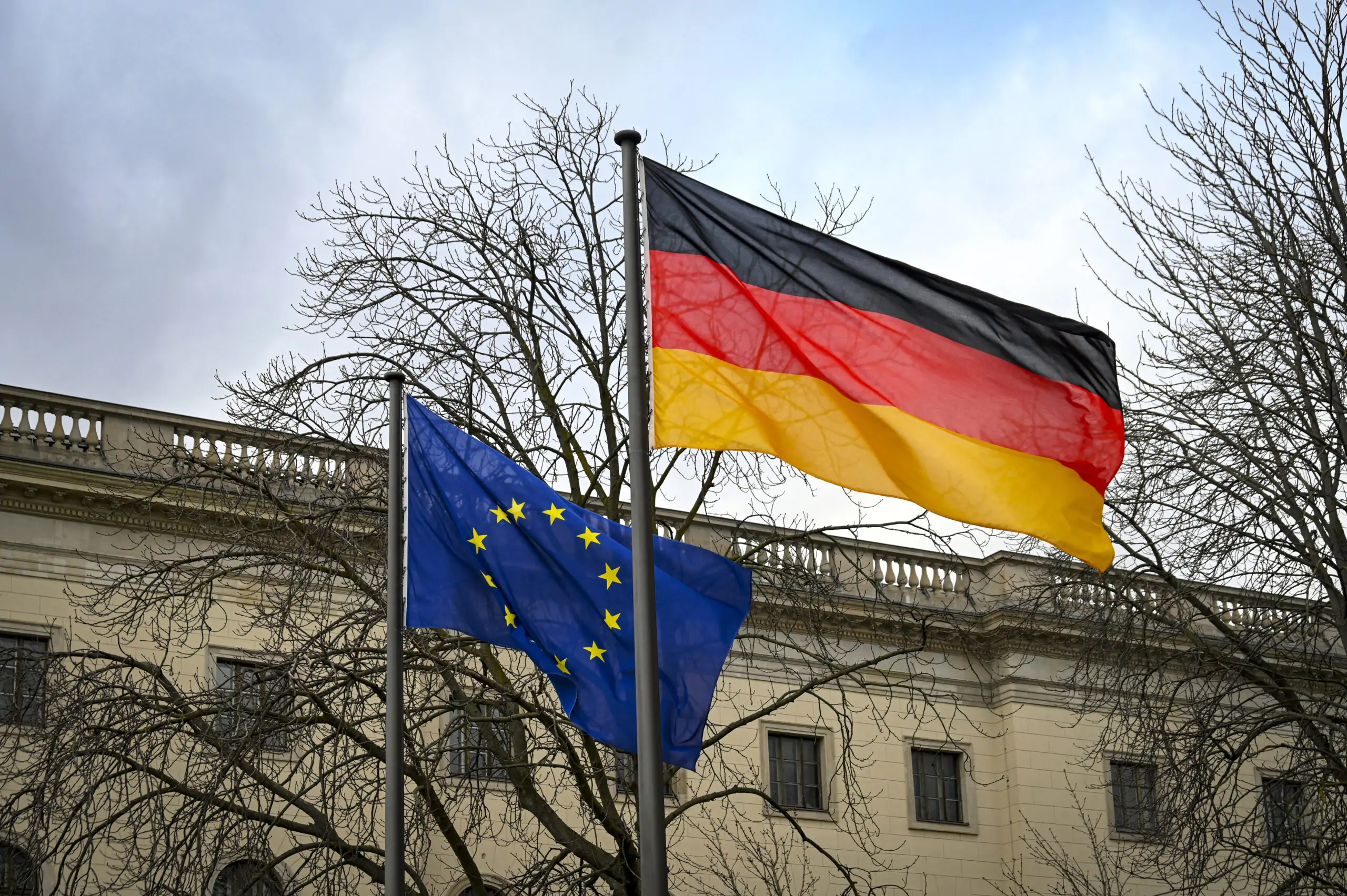
For decades, Germany’s stability rested on an implicit bargain: high-value manufacturing would provide good jobs, strong export revenues, and broad-based prosperity, which political institutions would translate into social cohesion. Competition from China shakes that bargain to its foundations.
MUNICH—September 6, 2026, could mark a turning point in Germany’s postwar political history. In the Saxony-Anhalt state election, the far-right Alternative für Deutschland (AfD) came within three seats of an absolute majority, winning 43.8% of the vote—more than twice its share in the 2021 election. The AfD’s gains came at the expense of the center-right Christian Democratic Union, the state’s incumbent

Our editorial team includes several staff writers, each contributing their specialized knowledge to enhance the depth and breadth of our event and story coverage.