
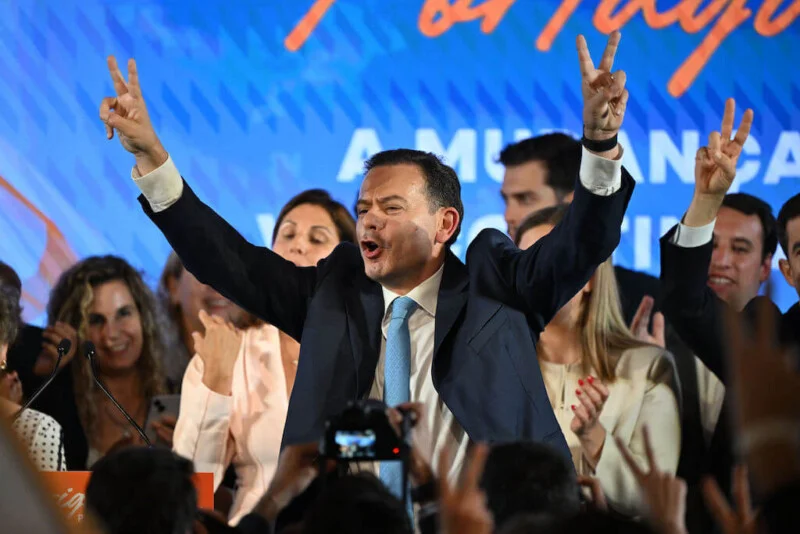
The political landscape emerging across Europe has increased the influence of national political preferences and disagreements on the EU’s decision-making processes. In areas such as foreign policy, security, sanctions, and enlargement, where unanimity is required, member states have the power to block or delay common decisions. Hungary, for instance, has repeatedly used this leverage in recent years, particularly over decisions concerning support for Ukraine, making it more difficult for the EU to formulate a common position.
Against this backdrop, the Tisza Party’s victory in the April 12, 2026, elections, in which it won 141 seats in

Our editorial team includes several staff writers, each contributing their specialized knowledge to enhance the depth and breadth of our event and story coverage.